
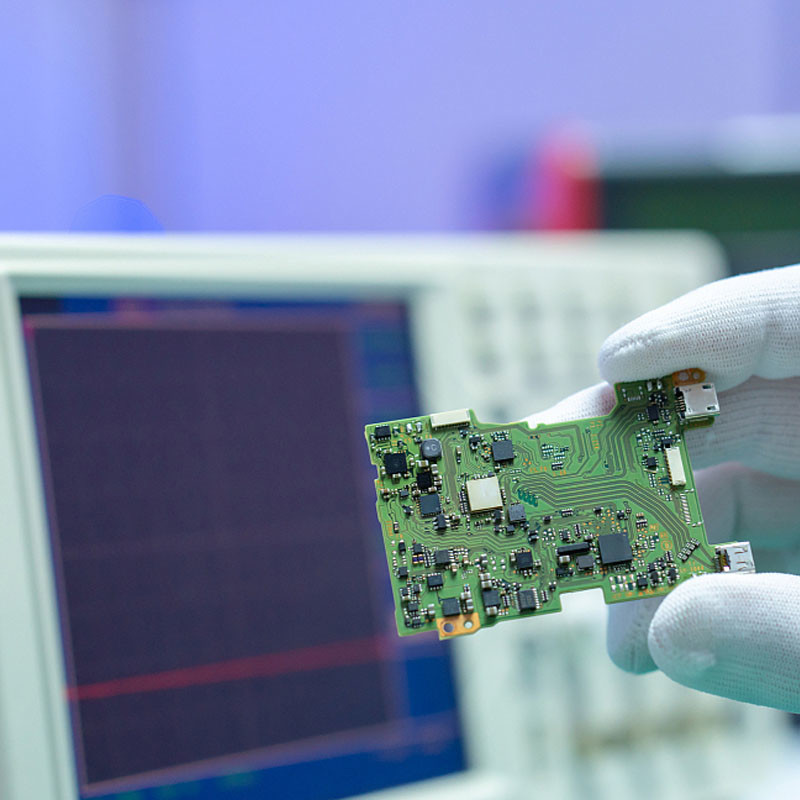
Bluetooth headsets combine wireless RF, audio/video, and battery-powered functions, placing them among the more strictly regulated product categories in the EU and China. To enter target markets smoothly, products generally need to complete both EU CE certification and Bluetooth BQB certification. This article outlines the core requirements, test standards, process timelines, and practical considerations for both.
Note: For wireless products such as Bluetooth headsets, electrical safety is generally covered under Article 3.1(a) of the RED, so the LVD is typically not applied separately. Safety testing is still carried out against EN 62368-1.
|
Test Area
|
Applicable Standard |
Description |
|---|---|---|
|
Wireless RF performance
|
EN 300 328 | RF requirements for 2.4 GHz wideband transmission systems (including Bluetooth) |
|
Electromagnetic compatibility (EMC)
|
EN 301 489-1 / EN 301 489-17 | Generic and wideband data-specific EMC requirements for radio equipment |
| Electrical safety | EN IEC 62368-1 |
Safety standard for audio/video, information, and communication technology equipment
|
| RF exposure | EN 62479 / EN 50663 |
Assessment of electromagnetic field (EMF) human exposure for low-power electronic devices
|
|
Battery safety (where applicable)
|
EN 62133-2 | Safety requirements for portable sealed secondary lithium cells and batteries |
Submit technical documentation → Sample testing → Issue test report → Sign EU DoC (Declaration of Conformity) → Affix the CE marking
Provided the documentation is complete and samples pass testing on the first attempt, certificate issuance takes approximately 5 working days. If any non-conformities arise that require rectification and re-testing, the timeline will be extended accordingly.
As long as a product uses Bluetooth technology or displays the Bluetooth® logo, it must obtain BQB (Bluetooth Qualification Body) certification from the Bluetooth Special Interest Group (SIG) and pay the applicable fees. Bluetooth headsets, speakers, car kits, and similar devices all fall within this scope.
Selection tip: If you use a third-party, mature Bluetooth module, prioritize suppliers whose modules are already certified. This greatly simplifies subsequent compliance work at the finished-product level.
It is advisable to work with a third-party body holding EU-notified or recognized credentials (CE) and FCC-recognized laboratory status, such as GTS (Global Testing Service), to ensure test reports and certificates carry international credibility and won't be challenged during customs clearance or marketplace spot checks.
Required materials include circuit schematics, PCB layout drawings, user manuals, bill of materials (BOM), certificates for critical components, label artwork, and Bluetooth module certification details. Missing documentation is the most common cause of delays — start compiling these files as early as the project kick-off stage.
Regulations and technical standards such as the EU RED and China's SRRC type approval continue to evolve (for example, version updates to EN 300 328, and new RED requirements on cybersecurity and privacy protection). Maintain regular communication with your certification body and complete product revisions and certificate renewals before new standards take effect, so as to avoid trade risks.
Obtaining CE and BQB certification is not only the "passport" for Bluetooth headsets to legally enter the EU and global markets — it is also a critical step in avoiding trade barriers and strengthening brand credibility and consumer trust. Partnering with a professional compliance provider such as GTS helps companies avoid detours across R&D, testing, and certification, and brings products to market faster.
Global United Technology Services Co., Ltd. owns Internationally recognized CNAS (L5775) laboratory qualification, US FCC NVLAP qualification, domestic CMA qualification for inspection and testing in, capable of issuing internationally mutually recognized test reports, as well as authorized qualifications from major institutions such as UK's ITS, Germany's TUV, and Belgium's Eurof; focusing on the core testing fields of EMC, electrical safety, wireless RF, and chemical testing certification agency for export compliance, providing a one-stop service of "testing rectification technical training", making us your ideal partner!
Contact Us
Email: vicky.mo@gtstest.com
Whatsapp: +86 18025848511
WeChat 18025848511